


Choosing the Right Storage Media
Today, we create and store more data than ever—business documents, family photos, videos, backups, databases, and important personal files.
Choosing the right storage media can help keep your information accessible, organized, and protected.
There are many types of storage devices, each designed for different needs:
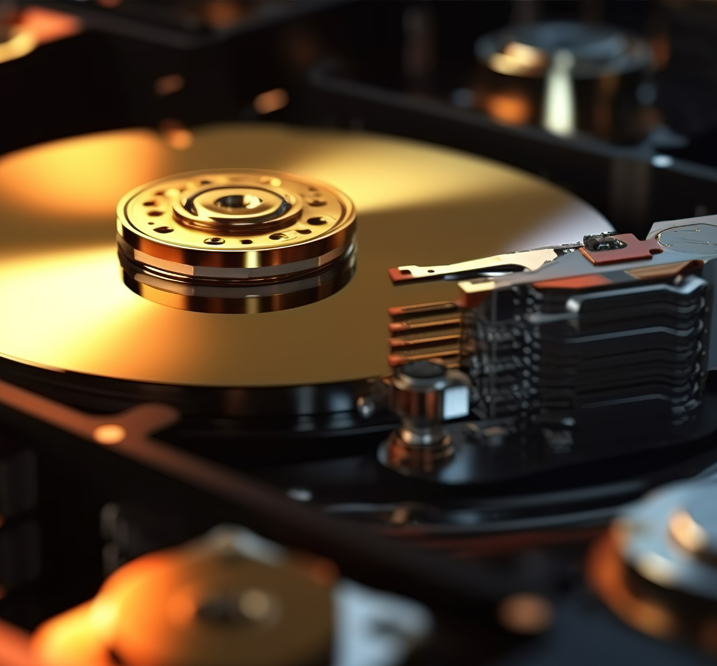
💾 Hard Disk Drives (HDDs)
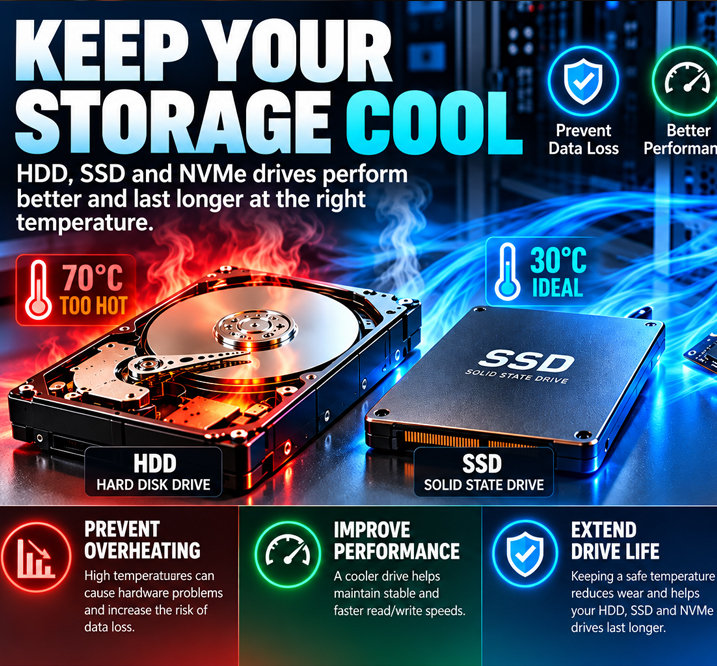
Popular for computers, backups, and storing large amounts of data at an affordable cost.
⚡ Solid-State Drives (SSDs)
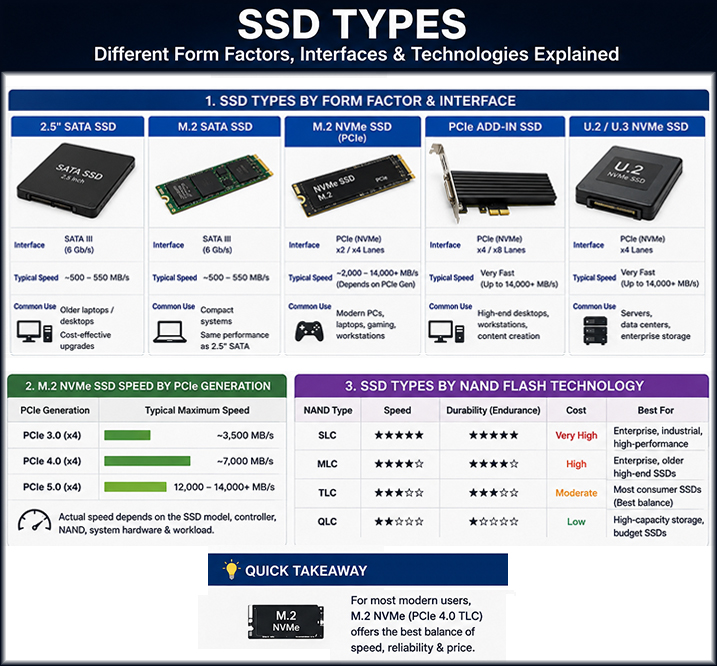
Fast, quiet, and reliable storage commonly used in modern laptops, desktops, and external portable drives.
🔌 USB Flash Drives
Small and portable devices that make transferring and carrying files convenient.
📷 SD & microSD Cards
Widely used in cameras, smartphones, drones, recorders, and other portable devices.
🗄️ NAS Storage
Network Attached Storage provides centralized storage that can be accessed by multiple computers or users over a network.
💿 Optical Media
CDs, DVDs, and Blu-ray discs are still used for certain types of archiving and long-term storage.
☁️ Cloud Storage
Allows files to be stored remotely and accessed from different devices through an internet connection.
🔐 Encrypted Storage Devices
Specialized drives designed to provide additional protection for confidential or sensitive information.
No matter which storage technology you use, data loss can happen because of accidental deletion, formatting, virus/malware attacks, hardware failure, power outages, software corruption, or human error.
These are among the most frequent causes of data loss across hard drives, SSDs, USB drives, memory cards, and other media. Even reliable storage isn’t immune—logical issues (like deletion or formatting) often leave data recoverable if you stop using the device immediately, while physical problems may require professional help. Regular backups remain the best protection.